The allure of risk and reward
The psychology of gambling is deeply intertwined with the concepts of risk and reward, particularly when players explore uk casino sister sites that offer various betting options. Human beings are naturally drawn to activities that involve uncertainty and the potential for significant gains. This attraction is rooted in evolutionary psychology; in ancient times, taking risks could lead to greater rewards, such as food or resources. The thrill of facing the unknown generates a rush that stimulates the brain, activating reward pathways that release dopamine, a neurotransmitter associated with pleasure and satisfaction. This chemical release reinforces the desire to engage in such activities, making them more appealing than safer alternatives.
Moreover, the excitement of betting money or assets can create an adrenaline rush that many find intoxicating. This rush is similar to feelings induced by other high-stakes activities, such as extreme sports or adventure-seeking experiences. As players wager their resources, they experience tension and excitement, which can lead to a euphoric state when fortunate outcomes arise. The psychology of gambling suggests that these emotional highs become reinforcing, encouraging individuals to return to the gambling environment in search of the same exhilarating experience. This dynamic can create a cycle of behavior that is difficult to escape.
However, this relationship between risk and reward can lead to a cycle that is hard to break. Even when individuals face losses, the hope of future wins can compel them to continue gambling. This phenomenon is often referred to as the “near-miss effect,” where a player almost wins, leading them to believe that success is within reach and motivating further engagement. The interplay between anticipation, reward, and the desire for risk creates a compelling cognitive landscape that keeps players coming back, often at the expense of their financial stability and emotional well-being.
The role of cognitive biases
Cognitive biases play a significant role in gambling behavior. One notable bias is the illusion of control, where individuals believe they can influence outcomes in situations that are fundamentally random. For instance, players might think they can improve their chances of winning by adopting particular strategies or rituals. This belief can enhance their motivation to keep playing, even if the odds are statistically against them. The more players attribute wins to their skill rather than luck, the more likely they are to continue gambling, creating a disconnect between their perceptions and reality.
Another common bias is the gambler’s fallacy, the mistaken belief that past events influence future outcomes in independent events. For example, after several losses, a player might assume that a win is more likely to occur soon, leading to further betting. This creates a false perception of patterns in random games, reinforcing the desire to gamble even with a lack of rational basis. Such biases can cloud judgment, pushing individuals deeper into gambling behaviors that may not be in their best interest, often leading to financial and emotional distress.

Furthermore, the framing effect can influence how decisions are made in gambling contexts. The way in which choices are presented can affect a gambler’s perception of risk and reward. For instance, highlighting potential winnings can create a more appealing narrative than emphasizing losses. This manipulation of information plays a crucial role in the marketing of gambling products, where positive framing can attract more players. As individuals fall prey to these psychological biases, they become increasingly engaged in gambling, which can lead to severe repercussions in their lives.
The social aspect of gambling
Gambling is often a social activity, and this communal aspect can heighten its psychological appeal. Many people engage in gambling as a means of socializing with friends or family, creating shared experiences that enhance the enjoyment of the activity. The social environment can serve as a catalyst for increased gambling engagement, as group dynamics and peer pressure may encourage individuals to participate beyond their initial intentions. This social reinforcement can create environments where excessive gambling becomes normalized, making it difficult for individuals to recognize the potential dangers.
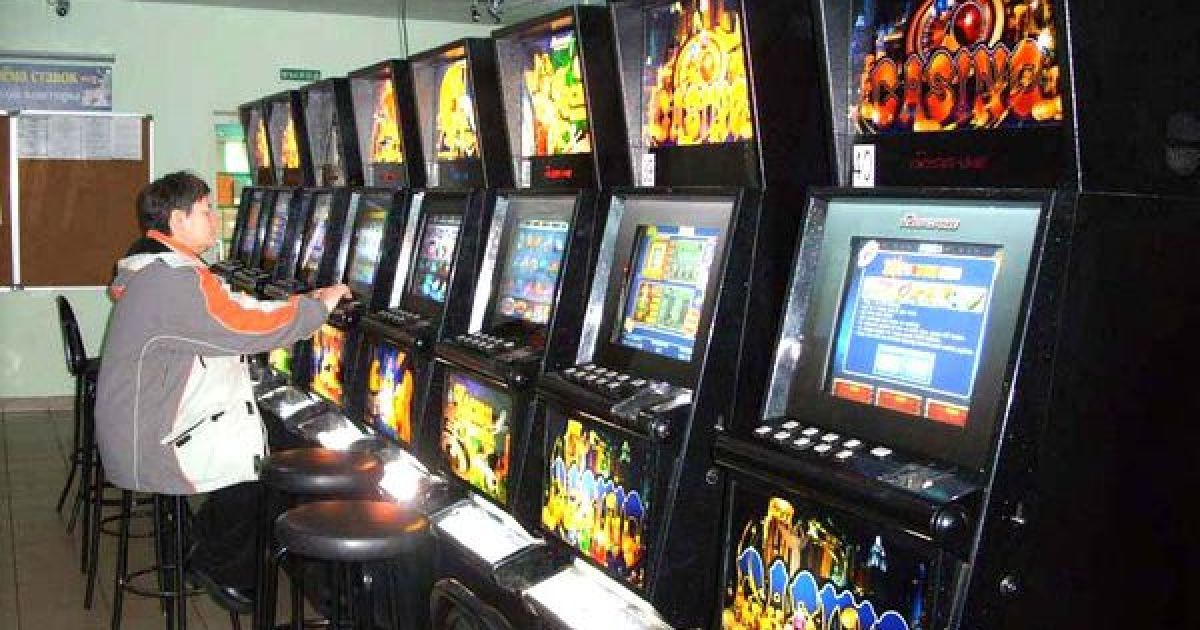
The communal atmosphere of gambling venues, including gaming halls and betting establishments, fosters a sense of belonging among players. Interactions with others, whether through conversation or competition, can create a bond that enhances the emotional experience of gambling. Additionally, social approval or recognition garnered from winning can lead to further investment in the activity, as individuals seek affirmation from their peers. In this sense, gambling transcends mere chance and becomes a social ritual that fulfills specific psychological and emotional needs, often overshadowing the risks involved.
However, the social aspect of gambling can also conceal the harmful consequences of excessive play. As individuals draw connections between social interactions and gambling success, they may overlook the risks and negatives associated with the activity. This phenomenon can lead to a cycle of denial and minimization, making it challenging for individuals to recognize when their gambling behavior becomes problematic. Understanding the social dynamics involved in gambling is crucial for addressing its potential negative impact within communities, as it can foster an environment where harmful behaviors are overlooked.
The impact of technology and accessibility
In recent years, the proliferation of technology and the internet has drastically changed the gambling landscape. Online platforms provide easy access to gambling, allowing individuals to bet at their convenience without the need to travel to physical locations. This increased accessibility can amplify the psychological factors that draw individuals to gambling, as the barriers to entry are lowered. The mere presence of smartphones has enabled impulsive gambling behavior, where people can wager money in mere moments, often leading to unplanned and excessive gambling that can spiral out of control.
Moreover, technology has enabled innovative forms of gambling, such as mobile gaming and live dealer games. These options enhance the immersive experience, with features designed to keep users engaged for longer periods. Gamblers may find themselves playing not just for financial gains but also for entertainment and escape from daily pressures. This shift can blur the lines between healthy leisure activities and compulsive behaviors, making it vital to understand the psychological implications of such changes in the gambling environment as they can have lasting effects on mental health.
Additionally, the anonymity provided by online gambling can embolden individuals to engage in riskier behavior. The lack of face-to-face interactions can diminish the social accountability associated with gambling in physical settings, leading to more reckless bets. The psychological distance that technology affords can alter perceptions of risks, ultimately making it easier for individuals to disregard limits and indulge in gambling behaviors that could be harmful. Keeping a pulse on these technological advancements is essential for understanding modern gambling psychology and its impact on society.
Understanding gambling behavior and support resources
Recognizing the complex psychology behind gambling is the first step toward addressing problematic behavior. Awareness of the emotional and cognitive factors that drive individuals to gamble can inform support systems and interventions designed to help those affected. Organizations offer resources for education and intervention, including counseling, support groups, and helplines, aiming to promote healthy gambling practices and aid those in need of assistance. It is essential for individuals to understand that seeking help is a sign of strength and can lead to positive change, especially in a society where gambling is often glamorized.
Additionally, public awareness campaigns play a vital role in educating individuals about the risks associated with gambling. By disseminating information about cognitive biases, the role of chance, and the features of gambling environments, these initiatives can empower individuals to make informed decisions. Encouraging discussions about the social aspects of gambling can also destigmatize those who may find themselves in challenging situations, fostering an open dialogue about gambling practices and their consequences. Such efforts are crucial in creating an informed public that understands the complexities of gambling.
Finally, the importance of community and family support cannot be overstated. Providing understanding and resources to individuals engaged in gambling can help mitigate harmful behaviors and encourage healthier coping mechanisms. By coming together as a community to address the psychological underpinnings of gambling, we can create a supportive environment where individuals can thrive without entering a destructive cycle. Ultimately, fostering awareness and providing resources can lead to improved mental health for those grappling with gambling-related issues, paving the way for healthier lifestyles.
